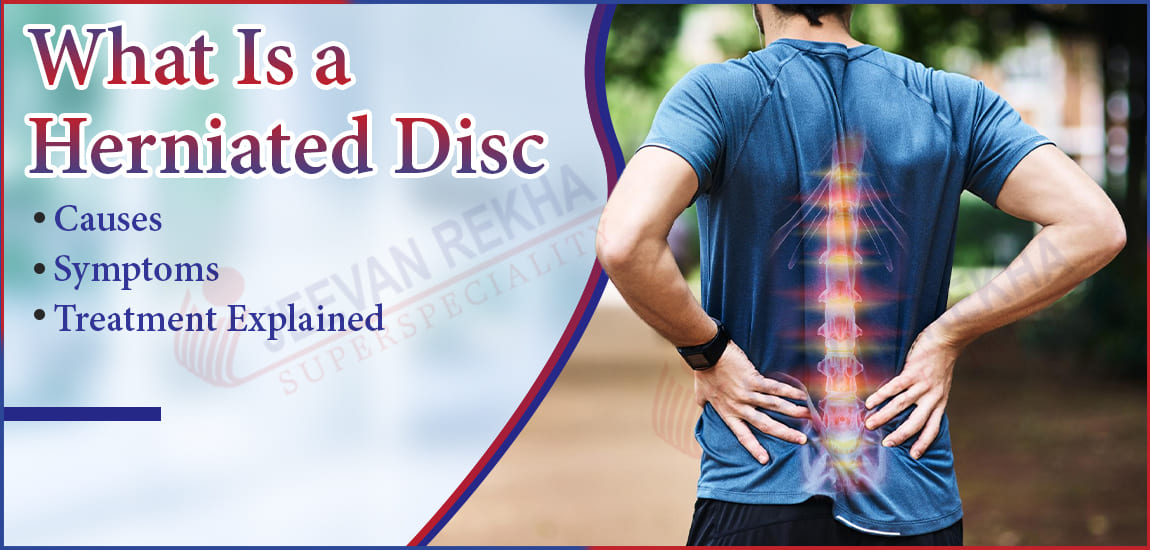
A common cause of pain, discomfort and reduced mobility in daily activities is due to a herniated disc, or a slipped/ruptured disc. It occurs when the fibrous disk that makes up a portion of the vertebrae is forced out.
This will allow for the inner material of the disk to push out against the outer layer of the disk, also using nearby soft tissues and/or other tissues to support it. By understanding the causes, symptoms, and treatment options available for a herniated disk, you will be able to diagnose the condition earlier and receive appropriate treatment.
The bones in the spine are called vertebrae and are separated by cartilage-like disks between each disk. The disks are used to absorb shock as well as make the spine more flexible and curvier.
The reason for a herniated disk can include:
Left-side body pain could be caused by a herniated disc. If there is compression of a nerve along the left side of the body, this would cause left-side pain because when you have a disc that is pressing on the nerves, this will create pain along the path of the nerve.
Since there are nerves on both sides of the body, if the pressure is on the left, you can have pain down the left side. Pain May Continue from the Back to a Leg and/or Arm Along a Nerve Path.
The common symptoms that may result from a herniated disc are:
With the above symptoms, you should consult with a healthcare providerconsult with a healthcare provider in the Orthopedics Department to get an evaluation to determine whether your left-side pain could be caused by a spinal problem.
You Can Also Read:- PCOS Awareness Month: What Is PCOS, Symptoms, Fertility & Best Treatment Options
By understanding what can lead to herniation of a disk, you can either prevent it from happening or minimize your chance of developing one.
1. Age-Related Changes to the Spine
As we become older, the spinal disks are depleted of fluid, which results in them being less flexible and ultimately more likely to rupture.
2. Improper Lifting of Heavy Objects
Lifting a large item using the back instead of the legs can place undue stress on the spine and perhaps cause an injury, and can also precipitate herniation.
3. Traumatic Injury (Fall or Accident)
A traumatic fall or accident, or any circumstance that causes a sudden movement of the spine, may damage the disks.
4. Sedentary Lifestyle
If an individual has a sedentary lifestyle, they might sit for prolonged periods of time and will place stress on their spinal disks.
5. Excess Body Weight
Individuals carrying excess weight will put additional stress on their lower back and thus predispose themselves to herniation of a disk.
6. Genetic Predisposition
Individuals may (genetically) be more susceptible to having disc problems.
If you can identify the symptoms of a herniated disc early on, it may prevent the progression of the condition.
1. Back & Neck Pain
Pain in the lower back is most common because of a herniated disc.
The upper spine will also experience neck pain if there is a herniated disc.
2. Radiating Pain (Sciatica)
Radiating pain travels down either a leg or an arm.
In most cases, only one side will be affected.
3. Nerve Compression - Tingling or Numbness
Many people complain of tingling or numbness in their arms, hands, legs, or feet from nerve compression caused by the herniated disc.
4. Weakness in the Muscles
Having difficulty lifting things with your arms or having a weak grip is an example of weakness.
Also having difficulty with Leg strength.
5. Increased Pain with Activity
Increased pain in your back will occur when you bend over, cough and/or sneeze.
You Can Also Read:- Hypothyroidism vs Hyperthyroidism: Causes, Risks & Treatments Compared
A physician usually makes a diagnosis of this type of condition through:
In addition, some individuals have done well with non-surgical treatment for a herniated disk. The following are examples of the non-surgical options for treating a herniated disk:
1) Activity Modification and Rest
2) Medication
3) Physical Therapy
4) Hot and Cold Therapies
5) Lifestyle Changes
6) Epidural steroid injections
7) Surgery (last resort)
An ounce of prevention is worth a pound of cure. Protecting your back is simple with some basic spine care principles:
You should see your doctor if:
A herniated disc may affect how you live, but with prompt diagnosis and good treatment options, surgery is not likely to be needed for most cases. Understanding the cause of a herniated disc, being able to identify symptoms when they first appear, and making healthy lifestyle choices are critical to your overall success with a herniated disc.
At Jeevan Rekha Hospital we provide patient-centered care using state-of-the-art diagnostic testing and customized treatment plans for our patients. If you have ongoing back or nerve action symptoms, see a specialist in order to return to your normal activity level.
1. What can I do to relieve herniated disc pain the fastest?
Ans. You can relieve your herniated disc pain faster with rest, over-the-counter (OTC) medications, and the use of heat/cold therapy; however, your overall recovery time with a herniated disc will depend on the type of treatment and the availability of physical therapy.
2. Will my herniated disc heal on its own?
Ans. Yes, in many cases a herniated disc will heal within a few weeks when appropriate conservative treatment measures are taken.
3. Is walking good for my herniated disc?
Ans. Light walking will help promote healing and improve blood flow to the healing site; however, you should not overdo it.

Jeevan Rekha Critical Care and Trauma Hospital, a unit of DR M. N. Tandon Memorial Charitable Trust is located in Jagatpura, Jaipur. The development of the institute reflects our commitment to filling the large gap that exists between demand and availability of Emergency and Critical Care Services in Rajasthan state in general and Jaipur in particular. Through continuous training and research, we aim to make difference to the outcome in these critically sick patients.
⚠️ Disclaimer: The information on the Web Site is provided for informational purposes only and is not meant to substitute the advice provided by our doctor or other health care professional. You should not use the information available on or through the Web Site for treating a health problem or disease or prescribing any medication. All images used on this website are for illustrative purposes only,
2026 © All Rights Reserved.