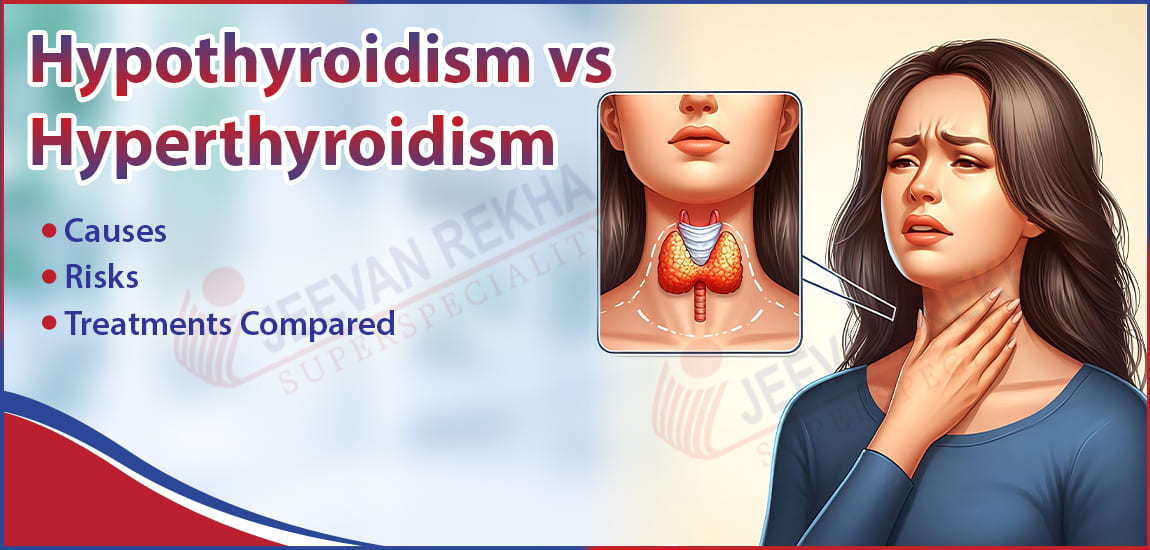
Thyroid disorders are one of the most prevalent forms of hormonal disorders found in the world today, and as a result it is important to understand what hypothyroidism(HYPO) and hyperthyroidism (HYPER) mean since they both negatively affect the same gland, but in totally different ways. A hypothyroid patient has a weakened thyroid system because of insufficient production of hormone while hyperthyroid patients have a hyperactive thyroid because it produces excess amounts of hormone.
Both conditions can severely impact areas such as metabolism, energy levels, weight gain/loss, heart rate and overall quality of life. Early detection of a thyroid disorder through proper treatments will enable patients to manage symptoms, prevent complications and enjoy their current and future health. This article will provide an overview of the anatomy and physiology of the thyroid, an overview of the causes of both diseases, risk factors associated with each disease, and most importantly, treatment options available to treat these diseases.
At the base of your neck just behind your Adam's apple sits a small gland known as the thyroid gland. The thyroid is shaped like a butterfly, joined in the middle with wings. This gland plays an important role in helping the body sustain vital functions through its production of hormones; therefore, it belongs under the umbrella of endocrine disorders and is treated under the Endocrinology Department at Jeevan Rekha Hospital.
The primary function of the thyroid gland is the production of two hormones:
The hormones produced by the thyroid gland control how the body metabolises (uses energy). The hormones produced by the thyroid control multiple functions within the body, for example:
Thyroid hormone production is regulated by thyroid-stimulating hormone (TSH) produced by the pituitary gland. TSH stimulates thyroid hormone production when T3 and T4 levels are low. Conversely, when T3 and T4 levels are high, TSH levels drop off.
When the thyroid doesn't make enough hormones, it's called hypothyroidism, and it can lead to slower overall functioning due to low thyroid hormone levels affecting metabolism.
Typical Symptoms of Hypothyroidism
Because these symptoms come on slowly, it may be hard to recognize hypothyroidism in its early stages.
You can read also:- Mild Heart Attack: How Serious Is It?
Hyperthyroidism is an excess of thyroid hormone production by the thyroid, leading to excessive metabolic rates and accelerated function of multiple body systems.
In some cases, patients can develop a goiter (swelling of the neck) from an enlarged thyroid gland.
Hypothyroidism can occur as a result of different medical conditions or treatments affecting the thyroid. Here are five examples of conditions or treatments that can lead to hypothyroidism:
1. Hashimoto's Thyroiditis
This condition is an autoimmune disease where the body's immune system attacks the thyroid gland, leading to hypothyroidism. It is also the most common cause of hypothyroidism.
2. Thyroid Surgery
After surgery on the thyroid gland, the amount of hormone produced by the thyroid may be decreased.
3. Radiation Therapy
Radiation therapy used to treat some cancers in the head/neck area can damage the thyroid cells.
4. Iodine Deficiency
Iodine is necessary for making thyroid hormones. In some areas of the world, a lack of iodine may contribute to developing hypothyroidism.
5. Certain Medications
Some medications used to treat heart conditions, bipolar disorder, and cancer can affect how your thyroid functions.
You can read also:- PCOS Awareness Month: What Is PCOS, Symptoms, Fertility & Best Treatment Options
Several conditions are responsible for hyperthyroidism due to problems with the thyroid gland and/or autoimmunity:
Factors that can lead to the development of thyroid issues include:
1. Gender - Females are at a much greater risk of getting thyroid disorders than males.
2. Family History - Having relatives with a history of thyroid disease and/or autoimmune disorders puts you at increased risk.
3. Age - Patients over age 60 are at greater risk to develop thyroid disorders than those under 60.
4. Pregnancy and Hormonal Changes - Pregnancy and hormonal changes after pregnancy may result in thyroid imbalances.
5. Other Autoimmune Disorders [that Increase Risk of Having Thyroid Disorders] - Disorders like, rheumatoid arthritis, type 1 diabetes, and lupus also put patients at higher risk of having problems with their thyroid gland.
The kind and degree of the thyroid issue is needed to know how to treat it.
Hypothyroidism is treated with thyroid hormone replacement therapy in the majority of cases; typically your doctor will prescribe levothyroxine, a synthetic thyroid hormone, to replace the hormones missing in your body. By taking the medication, you will have normal levels of thyroid hormones which should help you feel better and alleviate symptoms like tiredness and the ability to lose weight. Most likely, you will need to be checked regularly through blood tests for TSH levels in order to adjust the dosage of the medication you are taking.
In dealing with hyperthyroidism, treatment options focus on reducing the amount of thyroid hormones your body produces.
Options to reduce excess hormone production include:
1. Anti-thyroid medications
These drugs will decrease the amount of thyroid hormone produced by the thyroid gland.
2. Radioactive Iodine Therapy
This therapy destroys the cells of an overactive thyroid gland.
3. Beta-Blockers
These medications will control/slow rapid heart rate and tremors.
4. Thyroid Surgery
If the problem is severe enough, your doctor may recommend a partial or complete removal of the thyroid.
It's important to know the differences between hyperthyroidism and hypothyroidism so you can recognize early signs of both conditions and get the medical attention you need as soon as possible. Hypothyroidism causes the body's metabolism to slow down because there is not enough thyroid hormones in the body, while hyperthyroidism causes the body's metabolism to speed up because there are too many thyroid hormones in the body.
If these disorders are not treated, they can have serious long-term effects on your overall health. If your doctor diagnoses you as being hypothyroid or hyperthyroid, they will typically perform laboratory tests to measure your thyroid stimulating hormone (TSH) level. The testing of your TSH levels allows your doctor to recommend appropriate treatment and prevent complications due to these conditions.
Most people diagnosed with a thyroid disorder can live normal, active lives when they follow the correct treatment regimen that includes medication, managing their lifestyle and receiving regular doctor appointments.
The healthcare professionals at Jeevan Rekha Hospital focus on early diagnosis, comprehensive thyroid testing, and individualized treatment for thyroid disorders. As a result, members of our healthcare team help patients manage their endocrine disorders successfully. If you are having symptoms of thyroid imbalance, consultation with an expert can provide you timely and effective healthcare for improved health and well-being.
1. What is the main difference between hypothyroidism and hyperthyroidism?
Ans. The difference between hyperthyroidism and hypothyroidism lies in the amount of hormones produced by your thyroid gland. Someone who suffers from hypothyroidism has insufficient hormones produced, whilst someone with hyperthyroidism has an excessive amount produced. Both conditions affect the metabolism of a person with these conditions in different ways.
2. How do doctors diagnose thyroid disorders?
Ans. Doctors diagnose disorders of the thyroid gland by using blood tests to check for levels of TSH and hormones (T3 and T4). In some cases, imaging tests or scans will also be necessary to diagnose a person.
3. Can thyroid disorders be cured permanently?
Ans. Although there are several ways to treat or manage thyroid disorders through medications or other types of treatment, patients with hypothyroidism will need lifelong hormone replacement therapy. Patients who have hyperthyroidism may be able to be permanently cured if they receive radioactive iodine therapy or have surgery performed on their thyroid gland.

Jeevan Rekha Critical Care and Trauma Hospital, a unit of DR M. N. Tandon Memorial Charitable Trust is located in Jagatpura, Jaipur. The development of the institute reflects our commitment to filling the large gap that exists between demand and availability of Emergency and Critical Care Services in Rajasthan state in general and Jaipur in particular. Through continuous training and research, we aim to make difference to the outcome in these critically sick patients.
⚠️ Disclaimer: The information on the Web Site is provided for informational purposes only and is not meant to substitute the advice provided by our doctor or other health care professional. You should not use the information available on or through the Web Site for treating a health problem or disease or prescribing any medication. All images used on this website are for illustrative purposes only,
2026 © All Rights Reserved.