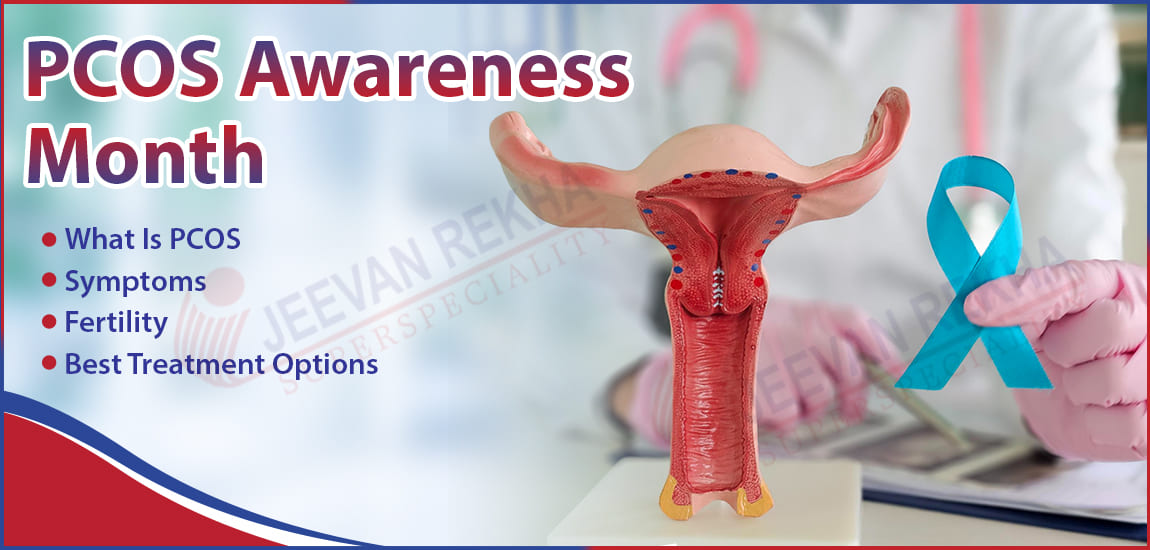
Polycystic Ovary Syndrome (PCOS) Awareness Month takes place in September; it is a time to provide information on this frequently occurring hormonal disorder (PCOS) and its widespread effects on millions of individuals around the world. With almost half of all diagnosed women never being diagnosed, many remain ignorant of their symptoms. This month is not only dedicated to qualifying as educated but also will help facilitate early diagnosis, assist women in obtaining better fertilization results after treatment and provide direction to finding the appropriate treatment at the appropriate time.
Polycystic ovary syndrome (PCOS) is a hormone disbalance that hinders how ovaries work, with women with PCOS experiencing more male hormone (androgen) production than normal, resulting in irregular or no ovulation.
Typically, every month an ovary will release an egg; however, women with PCOS experience irregular or no ovulation, and some develop small fluids filled sacs (often referred to as "cysts") on their ovaries, but not all women have these cysts.
PCOS is one of the major reasons why women of childbearing age don't have regular periods or can't get pregnant; however, when diagnosed properly and treated correctly, most symptoms can be effectively treated.
You Can Also Read: Mild Heart Attack How Serious Is It
PCOS Awareness Month is important because of all of the women who experience irregular cycles, acne and other early signs of their reproductive health condition being beyond just irregular cycles or acne, and they will often go undiagnosed for years. The connection between PCOS, diabetes, obesity, heart disease and infertility can be very serious if not correctly diagnosed and treated early.
Early intervention is known to improve long-term health and reproductive health options for women who have been diagnosed with PCOS. Ultimately, increased awareness will help women identify symptoms more quickly so they can talk to their doctors about potential issues, decreasing the stigma of reproductive health issues and initiating discussions about reproductive health overall.
Women can experience different PCOS symptoms. Some women experience mild symptoms, while others will have more severe symptoms. Below are some of the more commonly experienced PCOS symptoms:
1. Irregular Periods
Irregular periods are one of the earliest and most common symptoms. This can result in periods that are:
Irregular ovulation can cause unpredictable menstrual cycles as well.
2. Excess Hair Growth (Hirsutism)
Increased male hormones in women can lead to unwanted hair growth. Women may experience this unwanted hair growth in:
3. Acne and Oily Skin
Persistent acne that continues to occur into adulthood without just cause may occur due to hormonal imbalances.
4. Weight Gain
Some women with PCOS have difficulty maintaining a healthy weight and tend to experience more weight gain, specifically in their abdominal region.
5. Hair Thinning
Some women with PCOS may also experience thinning of the hair on the head as well as male-pattern baldness.
6. Difficulty Getting Pregnant
Women with PCOS also experience difficulty conceiving, primarily due to the irregular ovulation.
You Can Also Read: Skin Ulcers Uncovered: Causes, Types, Symptoms, and Healing Options
Problems related to PCOS that can affect a woman's ability to have children develop mainly as a result of the irregularity of ovulation or when ovaries fail to properly produce an egg throughout the month, making it much more difficult to become pregnant through natural means.
Here are all the ways in which PCOS impacts fertility:
To increase the likelihood of achieving pregnancy, women with PCOS will benefit greatly from lifestyle changes; medication; and fertility treatments.
PCOS treatment is not a one-size-fits-all approach. When determining an appropriate treatment, the patient’s symptoms, age, and desire for pregnancy should all be taken into account.
1. Lifestyle Changes (first line treatment):
Doctors often recommend lifestyle changes as a first-line treatment.
Recommended lifestyle changes include:
In most women, a 5–10% reduction in body weight can help achieve hormone balance and restore ovulation.
2. Medications for Irregular Menstrual Cycles:
In order to regulate menstrual cycles, reduce androgen levels, and improve acne, many physicians prescribe hormonal contraceptive pills.
3. Medications for Fertility with PCOS:
If you wish to become pregnant, your doctor may prescribe fertility medications such as clomiphene citrate, letrozole, or metformin (specifically for women who have insulin resistance) to stimulate ovulation.
4. Advanced Fertility Treatments:
If medications are unsuccessful, assisted reproductive technologies such as IUI (intrauterine insemination) and IVF (in vitro fertilization) may be recommended.
5. Managing Excessive Facial Hair and Acne:
Treatment options for excessive facial hair and acne may include:
Early diagnosis and individualized treatment are critical components of successful PCOS treatment.
Although PCOS has no complete cure; the symptoms can be managed by the following:
Following a balanced high-fiber/high-protein diet
It is important to maintain consistency in your routine, even if you do not achieve perfections, so that you can form small habits on a daily basis that will improve your condition.
If you have any of the following problems, you may need to visit an expert.
You should see a specialist early to prevent long-term problems such as heart disease or diabetes.
The main cause of PCOS isn't exactly known, but genetics, insulin resistance and hormonal imbalance are some causes of the disorder.
2. Is there a permanent cure for PCOS?
There is no cure for PCOS, but effective management through lifestyle changes and proper medical care can manage the symptoms in the short-term and long-term.
3. Can a woman with PCOS become pregnant naturally?
Yes, many women diagnosed with PCOS have gotten pregnant naturally, especially if treated early and manage their lifestyle.
Jeevan Rekha Hospital sees PCOS Awareness Month as not just an event but also a time to remember how crucial women’s health is and that women need to have access to care that is connected, timely and compassionate for managing their PCOS symptoms.
Women can lead normal lives and experience a successful pregnancy after their PCOS diagnosis and start of a personalized treatment plan with the proper care coordination and support from the appropriate diagnosis and treatment team at Jeevan Rekha Hospital. Early diagnosis of symptoms associated with PCOS is necessary if one desires to maintain a healthy lifestyle throughout her lifetime and experience successful pregnancies.
Our experienced team of gynecologists, healthcare professionals and fertility specialists in the Jaipur area offer support and help like no other. Getting medical care for PCOS in a timely manner is the key to managing the physical and emotional stress associated with this disorder.

Jeevan Rekha Critical Care and Trauma Hospital, a unit of DR M. N. Tandon Memorial Charitable Trust is located in Jagatpura, Jaipur. The development of the institute reflects our commitment to filling the large gap that exists between demand and availability of Emergency and Critical Care Services in Rajasthan state in general and Jaipur in particular. Through continuous training and research, we aim to make difference to the outcome in these critically sick patients.
⚠️ Disclaimer: The information on the Web Site is provided for informational purposes only and is not meant to substitute the advice provided by our doctor or other health care professional. You should not use the information available on or through the Web Site for treating a health problem or disease or prescribing any medication. All images used on this website are for illustrative purposes only,
2026 © All Rights Reserved.