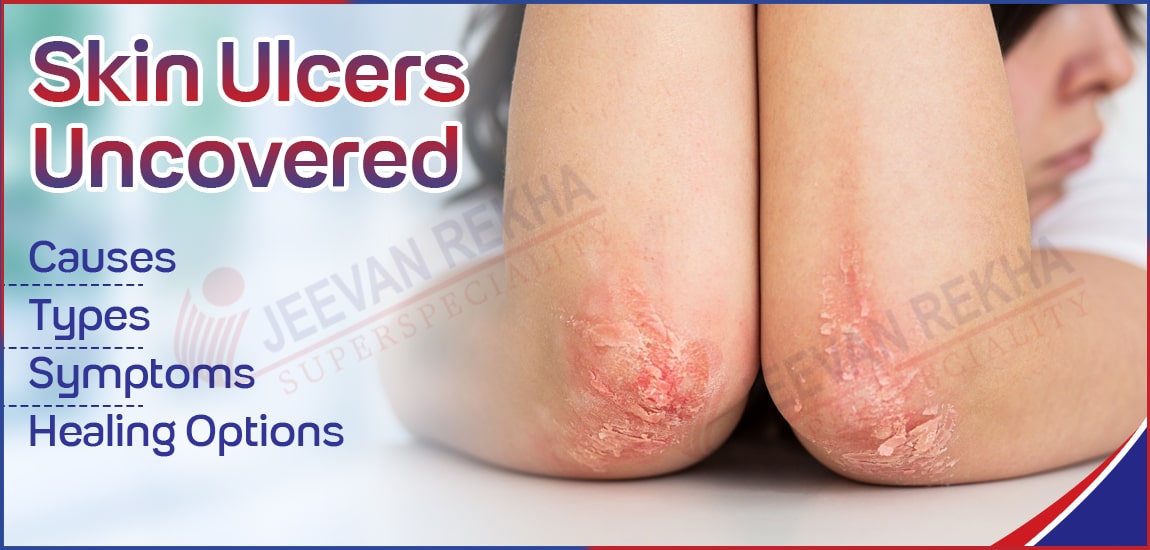
Skin ulcers are actually not just wounds, but rather a break in the skin that doesn't heal like a normal wound would. Skin ulcers can become worse over time and cause significant pain if left untreated. In the initial stages of development, skin ulcers often appear as small sores or red patches; but if they are not treated properly, they can develop into a painful or chronic skin ulcer or even a skin ulcer infection.
Skin ulcers are most commonly found in individuals with diabetes, poor blood circulation, and who have long-term illnesses or limited mobility, however anyone can develop skin ulcers. It is important to recognize the development of skin ulcers in order to determine the best form of treatment available to you and to help with the healing process.
Many people will delay seeking treatment for a skin ulcer because they will not feel pain in the beginning stages. This is the danger zone of leaving it untreated - if you do not treat the ulcer, it will become deeper, destroy layers of tissue beneath, and invite bacteria to create an infection.
Reasons to not ignore a skin ulcer:
Early intervention will improve your chances of success in recovering from a skin ulcer and decrease your chances of developing complications. As a general rule, the sooner you do this, the better chance of recovery for your affected area (skin).
Skin ulcers may develop when parts of the body are subjected to repeated trauma, lack of proper nutrition or both. Some common causes of skin ulcers include the following:
Understanding these causes is essential for doctors to determine how to most effectively treat a particular skin ulcer.
You can read also:- Is Coconut Water Safe During Pregnancy? Benefits, Risks & Myths
Knowledge of the various skin ulcer types is important for recognizing and able to identify and manage them in early stages.
1. Pressure Ulcers (Bedsores)
Pressure ulcers are caused by constant pressure being applied to the skin, particularly in bony areas, such as your heels and your lower back.
2. Diabetic Ulcers
Diabetic ulcers are usually found on the feet because of decreased blood flow and nerve damage associated with diabetes.
3. Venous Ulcers
Venous ulcers are commonly located on the ankles/lower legs and are associated with swelling and decreased vein function.
4. Arterial Ulcer
Arterial ulcers are associated with decreased blood supply; they can be quite painful and slow to heal.
Detecting skin ulcer symptoms as soon as possible helps reduce complications. Look for:
If you notice any of these signs, you should have your condition evaluated by a doctor.
You can read also:- Dark Circles Under The Eyes: Causes, Home Remedies and Treatments
There is no single method for the treatment of skin ulcers; each ulcer's treatment varies based on the cause, depth of the ulcer, and the presence of infection.
The best medical treatments for skin ulcers are:
Home Care, the support of healing
Follow the advice given by your doctor. Healing requires time, but following proper care can significantly reduce healing time.
The ability for a patient to have a faster recovery from an ulcer, as well as less pain and discomfort while they are healing and a decreased risk of infection, can be improved by receiving an early diagnosis and ongoing treatment to restore blood flow, eliminate infection and provide healthy tissue growth. Early diagnosis and ongoing treatment of ulcers will also reduce the risk of recurrence.
If you have an ulcer that has not healed, shows signs of infection, or is creating more severe pain, you need to seek experts. Many hospitals focus on treating wound care issues and can provide several advanced treatment options for these types of wounds and establish a plan of care that meets your needs.
At Jeevan Rekha Hospital, we perform a thorough evaluation and provide an evidence-based approach to treating both acute and chronic ulcers, as well as ensuring a safe and compassionate environment to receive treatment.
Skin ulcers can present without any warning but can cause major problems if not treated. Prompt attention, accurate diagnosis and ongoing care are the key components to successful healing of skin ulcers. At Jeevan Rekha Hospital, we offer each patient understanding and clinical expertise to address their skin ulcer.
Our goal is to return patients back to their previous comfort and mobility, as healing of skin ulcers is not just about closure of the wound but also restoring dignity and quality of life to the patient.
1. What is the best treatment for chronic skin ulcers?
Ans. The best way to treat chronic skin ulcers is typically through managing the several aspects of wound management, infection control, offloading pressure, and treatment of the underlying causes of their formation, such as diabetes or poor circulation.
2. How can I tell if a skin ulcer is infected?
Ans. Signs of infection in a skin ulcer can include experiencing pus coming from the ulcer site, having a bad smell coming from it, experiencing increasing redness, experiencing warmth at the site, swelling and a potentially associated elevated temperature (fever).
3. How long does a skin ulcer take to heal?
Ans. The amount of time required for the skin ulcer to heal depends on many factors. Minor ulcers can heal in a matter of weeks, while chronic and diabetic ulcers can take, with adequate treatment, months to years to heal fully.

Jeevan Rekha Critical Care and Trauma Hospital, a unit of DR M. N. Tandon Memorial Charitable Trust is located in Jagatpura, Jaipur. The development of the institute reflects our commitment to filling the large gap that exists between demand and availability of Emergency and Critical Care Services in Rajasthan state in general and Jaipur in particular. Through continuous training and research, we aim to make difference to the outcome in these critically sick patients.
⚠️ Disclaimer: The information on the Web Site is provided for informational purposes only and is not meant to substitute the advice provided by our doctor or other health care professional. You should not use the information available on or through the Web Site for treating a health problem or disease or prescribing any medication. All images used on this website are for illustrative purposes only,
2026 © All Rights Reserved.