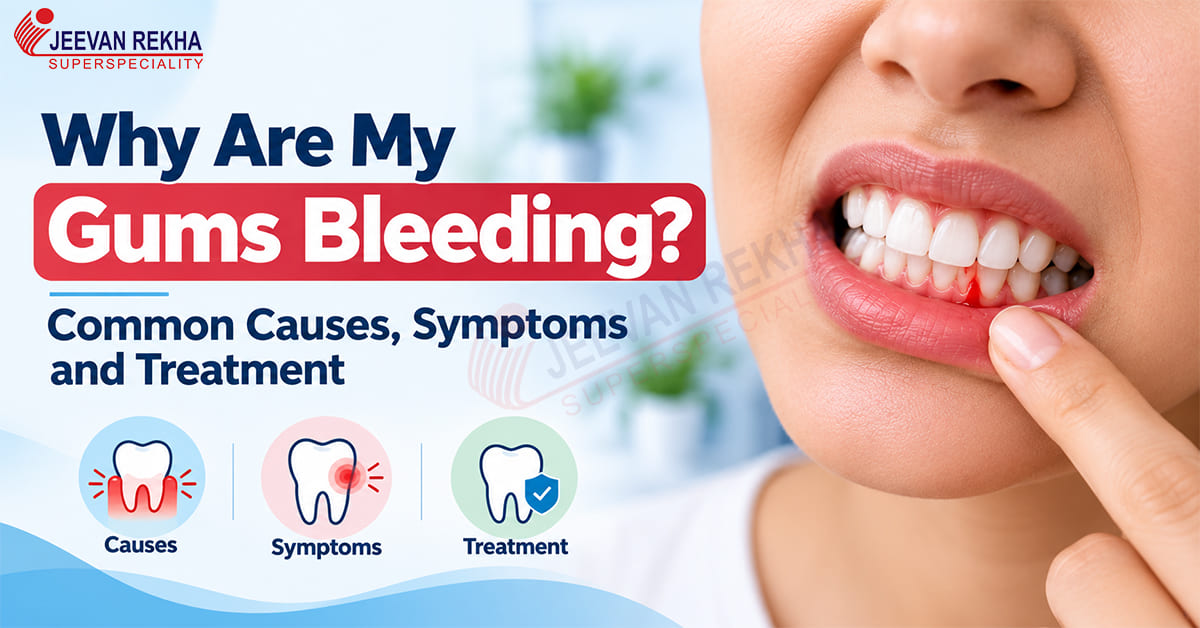
Bleeding gums represent a widespread issue of oral health which occurs when the delicate tissues surrounding your teeth are irritated, inflamed, or wounded. You might see bleeding while you brush, floss, eat hard food, or sometimes even without any reason at all. Occasional bleeding might be attributed to minor irritation, while ongoing bleeding of the gums is a cause for alarm.
Healthy gums appear to be firm, pink, and bleed neither during the course of a procedure. The accumulation of plaque, bacteria, or even other irritants on the gum line can lead to sore and swollen gum.
Being aware of the causes of bleeding gums will help to realize the problem quickly and implement the necessary treatment.
There are innumerable reasons behind bleeding gums, and common culprits may range from improper oral hygiene techniques, gum diseases, and nutrient deficiencies.
1. Gum disease and Gingivitis
Gingivitis and gum diseases are one of the most common reasons for the bleeding of gums, which occurs because of plaque formation around teeth that irritated the gums and causes symptoms like inflammation and redness, tender sensitive gums, and bleeding while brushing the teeth. If untreated, gingivitis can later result in periodontitis which is a much more severe disease that may lead to the destruction of tooth structures including gums, teeth, and jaw bones.
2. Brushing too hard
Excessive brushing force or the use of stiff bristles on toothbrushes may irritate the gums, and make them bleed. Furthermore, excessive brushing may cause numbness or receding of gums over the long period of time
3. Incorrect Flossing Practices
If one is flossing too roughly or snapping the floss on the gums, this can cause injuries. Bleeding might also occur during the initial days of flossing due to already-existing inflammation in the gums.
4. Lack of Vitamins
Deficiency in certain vitamins, especially vitamin C and vitamin K, could result in bleeding from the gum. Vitamin C is essential for good gum health while vitamin K is needed for blood clots. Eating a healthy diet keeps the mouth healthy, but excessive bleeding should not be regarded a sign of vitamin deficiency.
5. Changes in Hormonal Levels
Hormonal changes that occur during puberty, menstrual cycle or pregnancy can make people more sensitive to gums. Pregnant women sometimes experience gum disease to which their gums have become very likely to swell and bleed.
6. Medicine and Other Illness
Some blood-thinning medications can cause the bleeding problem, as well as some illness that disrupts the blood clotting process or produces blood cells. Uncontrolled diabetes may cause gum troubles.
You Can Also Read:- Skin Abscess: Causes, Symptoms and Treatment Explained
If you find blood on your toothbrush or floss, this can often be caused by inflamed gums. Plaque can make gum tissue so sensitive that it can start bleeding even under gentle pressure.
Other reasons might include brushing too firmly, incorrectly using the toothbrush, etc.
To avoid irritation, you may want to switch to a soft-bristled toothbrush and start brushing using small circular movements.
You should not stop brushing or flossing because your gums bleed. Rather, you should continue cleaning them gently, as removal of plaque can benefit the health of your gums significantly.
Should the bleeding stay for a prolonged period of time despite proper oral hygiene, take steps to see a dentist.
The type of gum bleeding treatment will be based on the origin of bleeding. A dental specialist will evaluate your gums to find out how much plaque you have accumulated and decide whether oral cleaning or other forms of treatment will be employed.
1. Professional Oral Cleaning
2. Revise Your Oral Cleaning Routine
3. Warm Salt Water Gargle
4. Treat Nutritional Deficiencies
When your dentist or physician believes that there is a shortage of vitamins, they may suggest dietary changes or suitable supplements after an examination. Do not take high dosage supplements on your own.
5. Examine Medication and Health Problems
If a doctor finds a relation between the bleeding and medication taken or the health condition, there may be need to examine the current treatment. You should never stop taking the prescribed blood-thinning drugs without doctor supervision.
Proper oral hygiene routine can prevent bleeding gums as well as other dental problems.
Brush your teeth two times a day: Use soft toothbrush and fluorine toothpaste.
Floss regularly: Flossing is very helpful as it can get rid of plaque and food particles from between your teeth.
Eat healthy: Fruits, vegetables, and other foods are good sources of vitamins and minerals.
Quit smoking: Smoking and tobacco are causes of gum disease which is very difficult to treat.
Drink a lot of water: Drinking a bottle of water a day will help you to produce more saliva.
Visit your dentist regularly: Regular check-ups with the dentist will help you to prevent serious gum diseases.
Buy a new toothbrush: You should buy a new toothbrush after using the old one for about three-four months.
Maintaining all these habits will keep your gums healthy but prolonged gum bleeding will require medical treatment.
You Can Also Read:- Cyanotic Congenital Heart Disease (CCHD): Causes, Symptoms, Types & Treatment
When it comes to bleeding due to minor irritation, this condition may solve itself with simple oral hygiene. However, serious bleeding or bleeding of an unknown origin warrants visiting a dentist under such conditions as:
• Bleeding gums even after maintaining proper oral hygiene;
• Swollen or inflamed gums, sensitive gum area, or gum shrinkage;
• Persistent bad odor in the mouth;
• Phlegm in the mouth and movement of the teeth;
• Pain while eating or the fact that something feels different in the way teeth meet;
You should contact a doctor immediately if you have a ringing blood loss from gums or if you see this blood is accompanied by spots or unusual hemorrhage, as well as a general feeling of fatigue.
Although bleeding gums may seem harmless, frequent bleeding could indicate gum disease or other health problems. Knowing what causes the bleeding and taking proper care of your teeth will help preserve your oral health.
If you notice bleeding gums, swelling, bad breath, or pain while brushing, you should visit a dentist. Jeevan Rekha Hospital Jaipur is an ideal option for readers in search of medical assistance. Before pay a visit, it is better to check the availability of dental services and doctors in the hospital.
Start caring for your gums today to prevent further complications in your mouth.
1. What does it imply when you have bleeding gums?
Bleeding gums usually point to some inflammation connected with plaque formation in mouth, but the issue could also be caused by gum injuries obtained during brushing, change of hormones, poor nutrition, medications or other diseases.
2. How can you stop bleeding gums fast?
By applying pressure over the place experiencing bleeding with sterile gauze. Do not rinse your mouth vigorously or brush the bleeding area. Adhere to mild oral hygiene and be in touch with your dentist in case of lasting bleeding problem.
3. Do bleeding gums heal naturally?
Minor irritation could go away on its own once the cause is removed. But bleeding that happens due to gingivitis is usually treated with regular oral hygiene practice.
4. Is it true that vitamin deficiency can lead to bleeding gums?
It is possible. Lack of vitamin C can compromise the strength of the gums while lack of vitamin K will affect the ability of the blood to clot. Although plaque-induced gum disease is more common, continuous bleeding of the gums should be addressed by your doctor.
5. Are bleeding gums a sign of gum disease?
Yes, bleeding during the brushing and flossing stages is one of the most common symptoms of gingivitis, which is the preliminary state of gum disease. A dental check-up will help determine if you have gum disease or some other disorder.

Jeevan Rekha Critical Care and Trauma Hospital, a unit of DR M. N. Tandon Memorial Charitable Trust is located in Jagatpura, Jaipur. The development of the institute reflects our commitment to filling the large gap that exists between demand and availability of Emergency and Critical Care Services in Rajasthan state in general and Jaipur in particular. Through continuous training and research, we aim to make difference to the outcome in these critically sick patients.
⚠️ Disclaimer: The information on the Web Site is provided for informational purposes only and is not meant to substitute the advice provided by our doctor or other health care professional. You should not use the information available on or through the Web Site for treating a health problem or disease or prescribing any medication. All images used on this website are for illustrative purposes only,
2026 © All Rights Reserved.