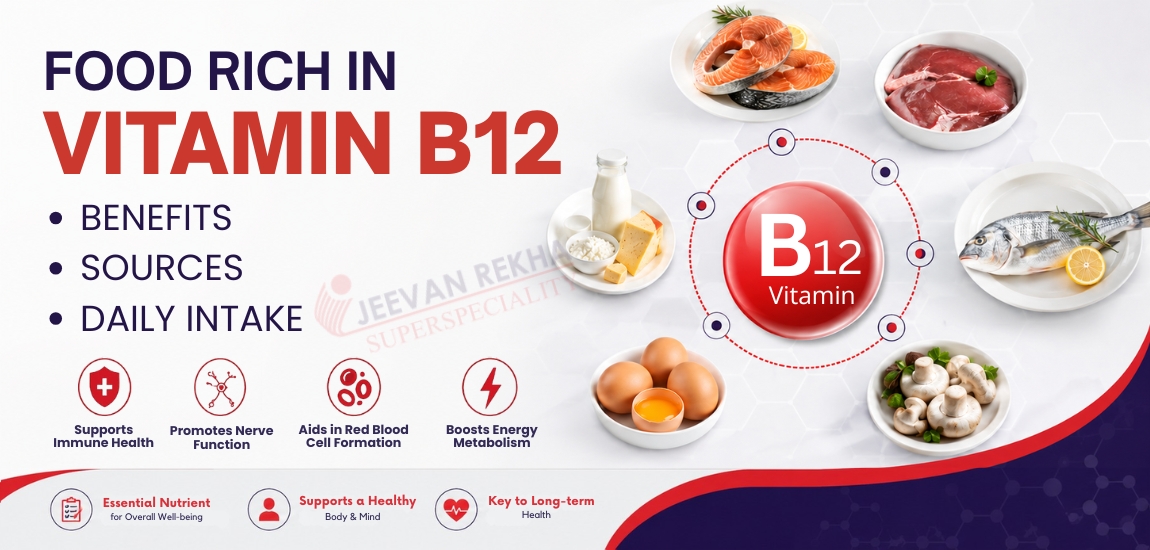
Vitamin B12 is a vital nutrient your body requires in order to remain healthy and active on a daily basis. Foods high in Vitamin B12 will help support your body with Energy production, maintaining brain function, maintaining healthy nerves, and forming red blood cells. Because the human body cannot create Vitamin B12 by itself, you must obtain Vitamin B12 through a healthy diet or by taking supplements.
Vitamin B12 (Cobalamin) is a water-soluble vitamin that plays an important role in maintaining overall health through cellular function, DNA synthesis, the production of healthy red blood cells, and the proper functioning of the nervous system. Because the majority of Vitamin B12 is derived from animal-based food sources, individuals who are strictly vegetarians or vegans may experience a greater risk for deficiencies and can benefit from eating fortified foods and/or taking supplemental sources of Vitamin B12.
Vitamin B12 is very important to many people today, with many wondering, "What makes vitamin B12 so valuable?" The answer to this question can be found in the many ways that it works in your body.
Vitamin B12 is involved in helping you convert food into energy so that your cells can do their job. It is also vital in the development of red blood cells, which are responsible for carrying oxygen to all of your body's tissues and organs. If you don't get enough B12, your body may not be able to produce enough healthy red blood cells and therefore develop megaloblastic anemia.
In addition to assisting with cell production and health, vitamin B12 helps maintain the health of your nerve cells and also plays an important role in how your brain functions. Vitamin B12 also supports your cognitive function and plays an important role in helping you with your memory and concentration. It is especially important for older adults, pregnant women, and vegetarians to have enough B12 in their diets.
Eating vitamin B12-rich foods has various positive effects on your health.
1. Increases Your Energy
Vitamin B12 is an important nutrient for energy production. The body uses vitamin B12 to convert carbohydrates, fats and protein into energy. Although you won't get energy by taking vitamin B12, it helps to make the energy you need for your exercise and daily activities.
2. Helps With Brain Function
Vitamin B12 is essential to proper functioning of the brain and nervous system. B12 is also needed for proper memory and concentration; a B12 deficiency can lead to changes in cognition and brain health.
3. Helps With Formation Of Healthy Red Blood Cells
Vitamin B12 plays a key role in creating healthy red blood cells. A person who has adequate amounts of vitamin B12 in his or her body will not have an issue with anemia. Healthy red blood cells deliver oxygen to all parts of the body and reduce feelings of fatigue and weakness.
4. Helps Maintain A Healthy Nerve System
Vitamin B12 provides protection for your nerves through a layer of material called the myelin sheath. When your nerves are appropriately encased in myelin, they are able to transmit signals effectively and reduce the chances of any type of nerve damage.
5. Helps To Support A Healthy Heart
By maintaining normal levels of homocysteine, vitamin B12 helps to regulate the amount of homocysteine in the bloodstream. High homocysteine levels are associated with an increased risk for developing cardiovascular problems. Therefore, making sure you have adequate levels of vitamin B12 will also help to support your heart health.
You can read also:- Chakrasana Benefits: Complete Guide to Wheel Pose in Yoga
The table below shows the top sources of vitamin B12, which are also the best natural sources.
1. Organ meats
Liver from sheep or cow has many times the recommended daily intake of vitamin B12 for small portions.
2. Fish
Fatty fish like salmon, tuna, sardines and trout have high amounts of vitamin B12. Fat fish also contain omega 3 fatty acids.
3. Shellfish
Clams, oysters, mussels and crabs are good sources of vitamin B12. In fact, clams are the most concentrated natural source of vitamin B12.
4. Eggs
Egg yolks are sources of vitamin B12 and are a cheap and easy way to get vitamin B12.
5. Dairy Foods
Milk and yogurt, cheese, and other dairy foods can be a good source of vitamin B12, especially for vegetarians who eat dairy products.
6. Chicken & Turkey
Chicken and turkey have moderate amounts of vitamin B12 and can add up quickly to meet your daily needs.
7. Breakfast Cereals Fortified
Many types of breakfast cereals are fortified with vitamin B12, meaning they are an acceptable form of B12 for vegetarians and vegans.
8. Fortified Plant-Based Milk
Soymilk, almond milk, oat milk, and other kinds of plant-based milk usually have fortified vitamin B12 or some other nutrients added to their ingredients; be sure to read health labels before purchasing any type of plant-based beverage.
9. Nutritional Yeast
Nutritional yeast is well known for providing vitamins and minerals, but it is especially popular with the vegan community as a major source of added vitamin B12.
10. Yogurt
Yoghurt comprises both prebiotic cultures (good for digestion) as well as vitamin B12; thus making this food very good for maintaining health and well-being.
Age, lifestyle, and health status are important considerations for determining your daily Vitamin B12 requirement. For healthy adults, the average daily B12 requirement is about 2.4 micrograms (mcg); however, pregnant or breastfeeding women require a higher amount than this; as well as those who follow a strict vegetarian or vegan diet who may need special foods or supplements to obtain the recommended daily amounts (RDA) of B12. Older adults typically may not absorb as much B12, therefore should periodically assess their blood level of this nutrient.
You can read also:- Loose Motion: Symptoms, Causes, and Treatment
AGE GROUPS & DAILY B12 RECOMMENDATIONS:
Vitamin B12 deficiency is gradual and may initially not be observed. Some common symptoms are:
Vitamin B12 is an essential nutrient that must be supplied in food since they derive energy for good nerve function, brain function, and production of red blood cells. The most recommended dietary sources of vitamin B12 include fish, dairy products, eggs, poultry, shellfish, and fortified foods, without which vitamin B12 deficiency can occur and so they are taken to maintain good health in the long run.
The expert team of doctors and specialists in the Department of Internal Medicine and Clinical Nutrition at Jeevan Rekha Hospital assess the diagnoses and the complete health status of patients suffering from vitamin deficiency through integrated health check-ups, nutritional counseling, and personal treatment plans to reform them. If you have any physical symptoms that indicate vitamin B12 deficiency or would like some advice on an adequate diet, the healthcare team at Jeevan Rekha Hospital, Jaipur, should assist you in your pursuit of wellness.
Q.1. Where can I find good natural food sources of vitamin b 12?
Ans. When looking for good natural food sources, liver, fish, shellfish, eggs, milk, yogurt, cheese, chicken and turkey are excellent sources of vitamin b 12. Two of the best sources of b 12 are organ meats and clams.
Q.2. Are there any plant-based foods that are sources of vitamin B12?
Ans. Most plant foods do not naturally contain vitamin b 12. However, there are several fortified foods such as: For vegetarians and vegans: fortified cereals, fortified plant-based milks and fortified nutritional yeast are good sources of vitamin b 12.
Q.3. What are some common symptoms of vitamin B12 deficiency?
Ans. Some common signs of a vitamin b 12 deficiency include: fatigue, weakness, numbness and/or tingling of the hands and feet, memory problems, dizziness, pale skin, and difficulty with concentration.
Q.4. How much vitamin B12 should I consume each day?
Ans. Generally, most adults require 2.4 micrograms of vitamin b 12 each day while pregnant women require 2.6 micrograms and lactating women require 2.8 micrograms per day.

Jeevan Rekha Critical Care and Trauma Hospital, a unit of DR M. N. Tandon Memorial Charitable Trust is located in Jagatpura, Jaipur. The development of the institute reflects our commitment to filling the large gap that exists between demand and availability of Emergency and Critical Care Services in Rajasthan state in general and Jaipur in particular. Through continuous training and research, we aim to make difference to the outcome in these critically sick patients.
⚠️ Disclaimer: The information on the Web Site is provided for informational purposes only and is not meant to substitute the advice provided by our doctor or other health care professional. You should not use the information available on or through the Web Site for treating a health problem or disease or prescribing any medication. All images used on this website are for illustrative purposes only,
2026 © All Rights Reserved.