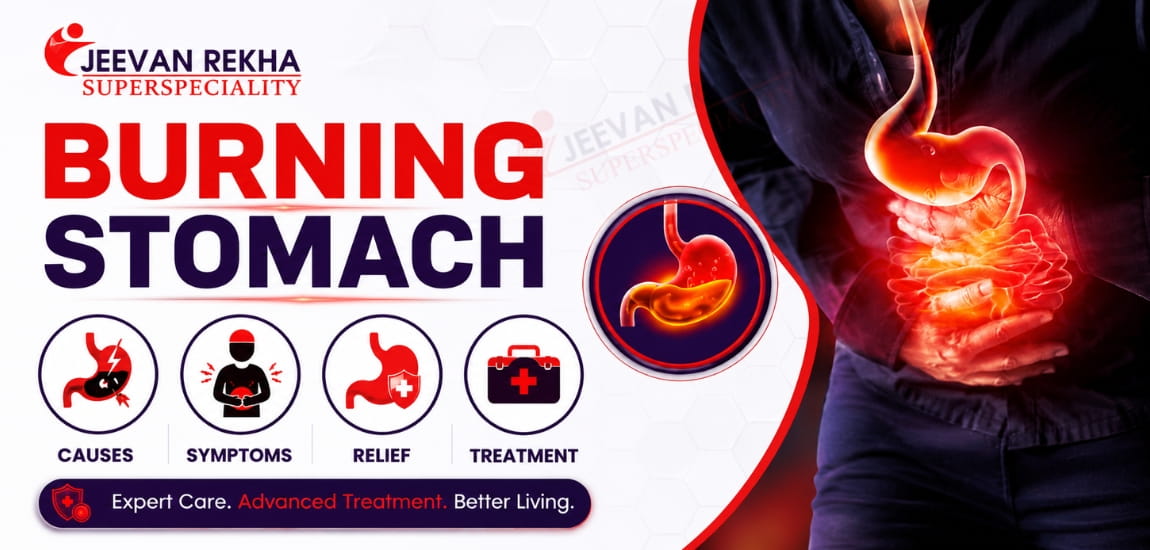
The burning stomach sensation, or “stomach burn,” is an all too common gastrointestinal problem — ranging anywhere from mild discomfort to severe pain — and can be felt as a warm, burning, or irritating sensation in the upper portion of the abdomen that occurs after eating, during times of stress and when lying down.
A single instance of a burning stomach likely will not be concerning; however, when a burning stomach occurs on a regular basis, it could indicate an unresolved gastrointestinal problem that will require medical intervention.
The burning stomach sensation varies greatly among people. While one person will experience a mild burning feeling, another may find their experience is very intense and affecting their ability to go about their normal activities.
In addition to experiencing a burning stomach, other symptoms that may be present include:
Burning stomach pain is most frequently felt:
When experiencing a burning sensation in the stomach, it's important to identify what is causing the issue so that it can be treated properly. There are many behavioral and digestive factors that can contribute to the development of a burning feeling in your stomach. In persistent cases, seeking medical advice from the best gastroenterology hospital in Jaipur can help determine the exact cause and ensure timely treatment.
Gastritis is an irritation of the stomach lining due to:
Once the lining becomes inflamed, this can lead to a continuous burning sensation in the stomach.
An acid reflux episode happens when acid from the stomach backs up into the esophagus. There are several symptoms associated with acid reflux, which include:
Peptic ulcers develop when sores are present either on the stomach lining or upper small intestine. Symptoms associated with peptic ulcers include:
Helicobacter pylori is a bacterium that can damage the protective lining of the stomach, which may lead to:
Food that may cause irritation to the stomach lining includes:
A number of people find it hard to believe that they have a psychological connection to their ability to digest food; however, stress does impact your ability to digest food. Increased production of stomach acid due to stress could lead to increased irritation of your digestive tract.
Medications such as aspirin and ibuprofen (non-steroidal anti-inflammatories) taken regularly can cause irritation of the stomach lining which can lead to sensations of burning.
You can read also:- Food Rich Vitamin B12: Benefits, Sources & Daily Intake
Most cases of simple stomach burning are improved with basic lifestyle changes and home remedies.
Water can help dilute the acid in the stomach, which can also promote digestion.
Eating large amounts of food may cause an increase in acid production and an increase in pressure within the stomach. Eating smaller meals throughout the day may also relieve discomfort.
Some people have found temporary relief from the burning sensation in the stomach after drinking cold milk. This solution may or may not work for everyone.
Bananas can contain natural substances that can help heal the lining of the stomach and prevent irritation.
Ginger is an anti-inflammatory, so it may help with problems associated with indigestion and nausea.
You can eat:
Limit:
Using stress management techniques such as:
To alleviate burning in your stomach, consider these suggestions:
1. Establish Routine Eating Times
Stomach acid builds up if you skip meals. Consuming food regularly may assist with this.
2. Avoid Reclining After Meals
At least 2-3 hrs. of not lying down after eating should occur.
3. Raise Head While Sleeping
Those who suffer from acid reflux may find it helpful to raise the head of their bed.
4. Quit Using Tobacco
Tobacco diminishes digestive protection and aggravates acid reflux.
5. Limit Caffeine Consumption
Some people have sensitive stomachs and too much caffeine can lead to gastric irritability.
6. Maintain a Reasonable Body Weight
An overweight person puts pressure on their stomach, increasing reflux symptoms.
7. Use over-the-counter Antacids as Needed
Over-the-counter antacids may provide temporary relief from symptoms, but you should seek medical advice if these symptoms continue.
You can read also:- Chakrasana Benefits: Complete Guide to Wheel Pose in Yoga
Everyone experiences occasional stomach-burning; however, some occurrences of this may signify that you need to seek a physician's professional help.
You should go see your physician if you are experiencing symptoms that:
To diagnose stomach-burning, a gastroenterologist may do any one or a combination of the following:
Medical treatment for stomach-burning depends on the underlying cause(s):
Antacids: Anti-acids help to neutralize (lower) the amount of acid in the stomach and provide quick relief.
Proton Pump Inhibitors (PPIs): PPIs decrease acid production in the stomach; whereby allowing the lining of the stomach to heal.
H2-Receptor Antagonists: Have a similar effect to PPIs in that they lower stomach acid production.
Antibiotics: Will be prescribed if there is an H.pylori infection.
Dietary Counselling: Receive individualized nutrition interventions to help avoid future occurrences of symptoms.
A burning sensation in your stomach might be caused by a variety of medical issues, including: gastritis, acid reflux, ulcers, infections, food intolerance, and stress. While mild burning in your stomach can sometimes be treated with home remedies and lifestyle modifications, you cannot ignore severe or persistent symptoms.
At Jeevan Rekha Hospital Jaipur, our Gastroenterology and General Medicine departments will help you find a comprehensive evaluation and quality treatment for your digestive disorder. Our specialists are seasoned experts in the field. Our team utilizes state-of-the-art diagnostic equipment in addition to endoscopic procedures to create an individualized treatment plan that will help you achieve good digestive health and eliminate your long-term stomach pain.
Q. 1. What might be causing a burning sensation in my stomach?
Ans. Gastritis, acid reflux, ulcers (use of the types of food indicated above), H. pylori infection, spicy food consumption, stress, and overproduction of stomach acid could cause a burning stomach.
Q. 2. How can I quickly relieve a burning stomach?
Ans. Temporary relief of a burning stomach includes drinking water, eating smaller amounts of food, avoiding triggers, remaining sitting (or standing) afterward, and the use of medication prescribed by your physician, such as antacid products.
Q. 3. Can I get a burning stomach from acid reflux?
Ans. Acid reflux can result in a burning sensation in the stomach and or chest because of the flow of stomach acid into the esophagus - the most common cause of a burning feeling in your stomach is due to acid reflux.
Q. 4. Which foods should be limited if I have a burning stomach?
Ans. Foods that can lead to a burning stomach, as listed above, include: spicy, fried, too much coffee, alcoholic beverages, citrus fruit and juice, carbonated beverages, anything acidic can also lead to irritation.
Q. 5. Does gastritis cause daily burning in my stomach?
Ans. A daily burning sensation in the stomach can definitely come from chronic gastritis related to overstimulation by excessive amounts of any above listed items; along with burning sensations in your stomach, other signs or symptoms may include bloating, discomfort, or indigestion. A doctor should evaluate you if you are experiencing any of these symptoms.

Jeevan Rekha Critical Care and Trauma Hospital, a unit of DR M. N. Tandon Memorial Charitable Trust is located in Jagatpura, Jaipur. The development of the institute reflects our commitment to filling the large gap that exists between demand and availability of Emergency and Critical Care Services in Rajasthan state in general and Jaipur in particular. Through continuous training and research, we aim to make difference to the outcome in these critically sick patients.
⚠️ Disclaimer: The information on the Web Site is provided for informational purposes only and is not meant to substitute the advice provided by our doctor or other health care professional. You should not use the information available on or through the Web Site for treating a health problem or disease or prescribing any medication. All images used on this website are for illustrative purposes only,
2026 © All Rights Reserved.